Lesson
Environmentalism: “Can Art Save the World?”
Students will consider the ways art can be used as activism in the context of Environmentalism and National Park Preservation.
GRADE LEVEL: Elementary School (4-5), Middle School (6-8)
We’re open Pride weekend! See our visitor tips …
We’re open Pride weekend! See our visitor tips …
Lesson
Students will consider the ways art can be used as activism in the context of Environmentalism and National Park Preservation.
Lesson
Lesson: Students will 1) learn some of the hallmarks of Wong’s ceramics and enamels; 2) gain a general understanding of the ceramics- and enamel-making processes; and 3) understand some of the scientific processes involved in art.
Lesson
Students use visual evidence to convey character by constructing a visual identity for their shadow puppet, and demonstrate principles of shadow-casting and puppet-making by performing their shadow play.
Activity
As a magician, Arthur Okamura wrote and illustrated his own magic trick books, including Paper Propeller, the Jumping Frog, the Spinning Quarter: And 38 Other Amazing Tricks You Can Do With Stuff Lying Around the House. In this activity, you will complete one of his physical balance tricks and suspend one cup above or at the same height of three other cups.
Activity
Inspired by Okamura and the Watershed Environmental Poetry Festival, students will learn about California’s water distribution and drought through the integration of science, math, and art.
Teacher Packet
Biography and lesson plans
Activity
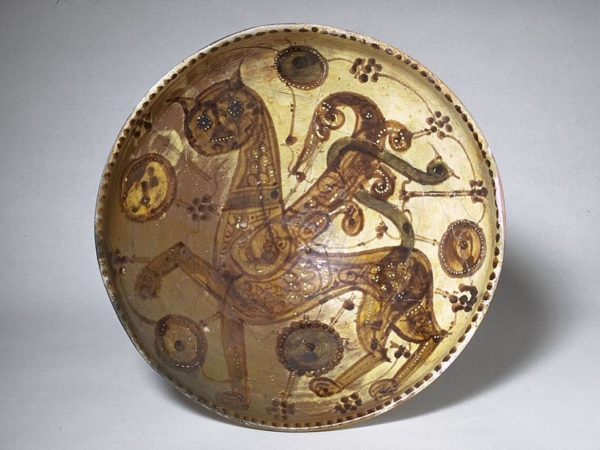
Use animal templates to make a mix and match game where you create new mythical creatures.
Activity
Background Information
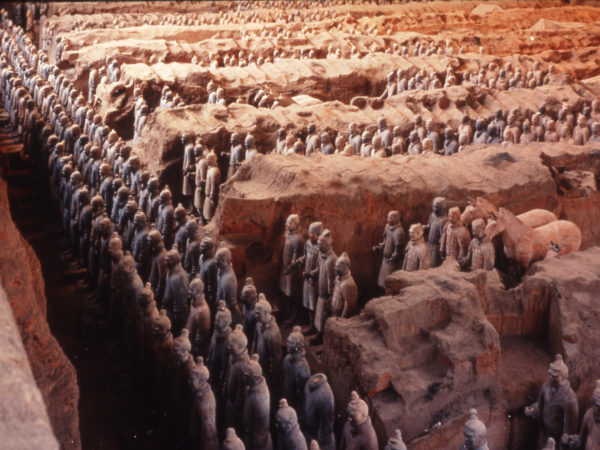
Archaeology is the study of the material remains of humanity’s past. Excavated materials, along with other historical objects and text records, form the primary source material on Ancient China.
Lesson
Students will: 1.) examine the Hindu tradition of threshold art; 2.) discuss how Indian values are expressed in the ephemeral art of threshold painting; 3.) draw traditional connect-the-dots threshold art designs; 4.) make colored rice flour and create an auspicious floor painting